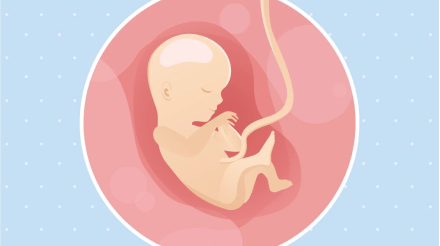
Your Second Trimester Story
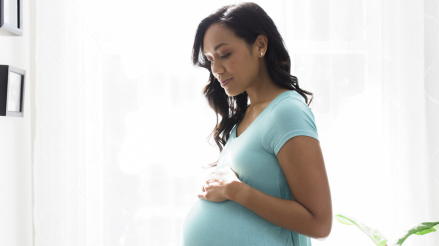
The nausea is fading. The energy is coming back. And somewhere around week 18, something happens that stops you mid-sentence and makes your eyes fill with tears — you feel your baby move for the very first time. Welcome to the second trimester. This is the good part.
First, a Moment to Breathe
You made it through the first trimester. That was no small thing — the hiding, the sickness, the exhaustion, the quiet worry. All of that. And you did it.
The second trimester runs from week 14 to week 27. Most women call it the golden trimester — and they mean it. The nausea lifts for most women. The energy returns. The bump appears. The baby moves. You start to feel like yourself again, just a bigger, more miraculous version of yourself.
This is the trimester where pregnancy starts to feel real in the most beautiful way. You will see your baby on a detailed scan. You may find out whether you are having a boy or a girl. You will feel kicks. You will watch your belly grow week by week. And you will probably fall completely, helplessly in love.
Week by Week — Your Story
The fog is lifting.
For many women, weeks 14 and 15 feel like stepping out into sunlight after a long time indoors. The nausea that has been your constant companion for weeks begins — finally — to ease. The energy that disappeared in week 5 starts quietly returning. You wake up and realise you actually feel like a person again.
Your bump is not very visible yet — but your uterus has risen above your pelvic bone and you may notice your clothes fitting differently. Your waistline is softening. Something is happening.
You might feel:
- · A wave of relief as nausea begins to fade
- · Hunger — real hunger — returning for the first time in weeks
- · More energy than you have had since before you were pregnant
- · Round ligament pain — a sharp, stretching sensation on the sides of your lower belly when you move suddenly. Completely normal, just your uterus growing
- · Your skin may begin to change — some women glow, some break out. Both are normal
- · Emotional but in a different way — the anxiety of the first trimester softening into something more like wonder
Your baby is: The size of a lemon to an orange. About 8–10cm long. Practising breathing movements by inhaling and exhaling amniotic fluid. And doing something wonderful — making facial expressions. Squinting. Grimacing. Smiling.
This week: If you have been waiting to tell people — the news is out now for most women. Your risk of miscarriage is now under 1%. Enjoy this. You have earned the right to celebrate openly.
Around week 16 to 18, something happens that no words quite capture.
You feel your baby move.
The first time it happens, you might not even be sure what it was. It feels like a tiny bubble popping. Or a flutter of wings inside you. Or a little fish swimming. It is so soft and so subtle that many women think they imagined it at first.
You did not imagine it. That is your baby.
For first-time moms it usually comes between weeks 18 and 20. If you have been pregnant before, you may feel it earlier — as early as week 16 — because you know what you are looking for.
You might feel:
- · Those first magical flutters of movement — called quickening
- · Backache beginning as your posture shifts to accommodate your growing bump
- · Occasional dizziness as your blood pressure adjusts
- · Skin changes — a dark line appearing down the centre of your belly (linea nigra) — completely normal, it fades after birth
- · Your hair may be growing faster and feeling thicker — pregnancy hormones are keeping hairs from falling out
- · Nasal congestion — blood volume increases affect the mucous membranes in your nose too
Your baby is: The size of an avocado. About 11–13cm. Their skeleton is hardening from soft cartilage into real bone. Their ears are fully formed — they can begin to hear your voice, your heartbeat, the world outside.
Talk to your baby. Read to them. Play music you love. They can hear you now. Research consistently shows that babies recognise their mother's voice from birth — because they have been listening for months.
Week 20 is a milestone that every pregnant woman circles on the calendar.
This is the anomaly scan — also called the 20-week scan or the anatomy scan. It is the most detailed ultrasound of your entire pregnancy. A sonographer will spend 30 to 45 minutes examining your baby from head to toe — measuring the brain, the heart, the spine, the kidneys, the limbs, the face. They are checking that everything is developing exactly as it should be.
And if you want to know — this is usually when you find out whether you are having a boy or a girl.
You might feel:
- · Excitement and nerves before the scan — both are completely normal
- · Your baby's movements becoming stronger and more frequent
- · Your bump is now clearly visible — you are unmistakably pregnant
- · Heartburn beginning as your growing uterus pushes up against your stomach
- · Leg cramps, especially at night — common and uncomfortable
- · Possibly some swelling in your feet and ankles at the end of the day
Your baby is: The size of a banana. About 25cm from head to heel. Covered in a white, waxy coating called vernix that protects their skin in the amniotic fluid. They are swallowing, kicking, and already developing sleep and wake cycles.
Before your 20-week scan: Write down every question you want to ask. Can we find out the gender? What are you measuring? Is everything looking normal? Can I see their face? You are allowed to ask everything. This appointment belongs to you.
The flutters have become kicks.
By weeks 21 and 22, your baby's movements are no longer subtle. They are real, distinct kicks and jabs that you can feel clearly — and that your partner can feel when they place a hand on your belly. This is one of the most connecting experiences of pregnancy — sharing those kicks with the person you love.
Your baby has a routine now too. You may notice they are more active at certain times of day — often in the evenings when you are lying down and there is less movement to lull them to sleep.
You might feel:
- · Strong, clear kicks that make you gasp and smile at the same time
- · Braxton Hicks contractions beginning — your uterus tightening and releasing practice contractions. These are painless and irregular, and they are completely normal
- · Your belly button may begin to pop outward — this happens as the uterus pushes against it from inside
- · Stretch marks may begin to appear on your belly, hips, breasts, or thighs — they are a sign your body is doing something extraordinary
- · Increased appetite — your baby is growing fast and needs fuel
- · Some women experience pelvic girdle pain — discomfort in the pelvis, hips, or lower back as the joints loosen
Your baby is: The size of a corn cob. About 27–28cm. They now have eyebrows, eyelashes, and tiny fingerprints — completely unique to them. They can taste the amniotic fluid, and research shows they prefer sweet flavours. They are already developing their personality.
For stretch marks: No cream has been proven to prevent them — they are largely genetic. But keeping your skin moisturised with oils or butters reduces itching and keeps skin supple. More importantly — your stretch marks are not flaws. They are the map of what your body did for your baby.
Week 24 is one of the most significant milestones of your entire pregnancy.
At 24 weeks, your baby reaches what doctors call viability — the point at which, with specialist neonatal care, a baby born early has a meaningful chance of survival. This does not mean 24 weeks is safe for birth — it absolutely is not. But it is a threshold that matters deeply to doctors and to parents.
This week also marks the beginning of a critical period of brain development. Your baby's brain is growing rapidly, forming billions of connections. Everything you do to nourish yourself right now is directly nourishing that growing brain.
You might feel:
- · A sense of significance about this week — you are right to feel it
- · Shortness of breath as your uterus continues to grow upward
- · Carpal tunnel syndrome — tingling or numbness in your hands and wrists, caused by fluid retention pressing on nerves
- · Skin itching, especially on your belly as it stretches
- · Increased vaginal discharge — white or clear, this is normal. Yellow, green, or strongly-smelling discharge should be reported to your doctor
- · Feeling the baby respond to sound, light, and your touch
Your baby is: The size of an ear of corn. About 30cm and weighing around 600 grams. Their lungs are developing surfactant — the substance that will allow them to breathe air after birth. Their face looks completely like a baby now.
Start your kick count habit now. From 24 weeks onward, get to know your baby's patterns. Notice when they are usually active. If you notice a significant change in their movement — less active than usual, or not moving when they normally would — contact your hospital or midwife immediately. Always.
You are approaching the end of your second trimester — and your baby is beginning to look like the newborn you will soon hold in your arms.
Their eyes can now open and close. They can distinguish light from dark — if you shine a torch at your belly, they may react. They are practising breathing movements constantly, preparing their lungs for the moment they take their first breath of air. They are putting on fat — the soft, round newborn look is beginning.
And you — you are carrying a real, moving, growing person inside you now. Every kick is a conversation. Every scan is a chapter of their story. You are in the final stretch of the middle of this incredible journey.
You might feel:
- · Stronger and more frequent kicks and rolls
- · Difficulty sleeping as your bump makes finding comfort harder — a pregnancy pillow is genuinely life-changing
- · Heartburn that is more persistent as the uterus pushes against the stomach
- · Your back aching more — your centre of gravity has shifted significantly
- · Swollen feet and ankles by the end of the day — elevate them whenever you can
- · A growing excitement and also a growing awareness that the third trimester — and birth — are coming
Your baby is: The size of a cauliflower. About 36cm and weighing around 900 grams. Eyes open. Responding to sound and light. Practising breathing. Putting on fat. Almost ready for the final chapter.
This is a wonderful time to start your birth plan, visit your delivery hospital, and begin prenatal classes if you haven't already. Knowledge going into birth reduces fear more than anything else.
What You'll Feel in the Second Trimester — And Why
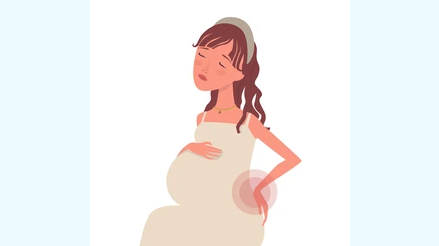
You may feel a sharp, stabbing, or stretching pain on one or both sides of your lower belly — especially when you get up suddenly, sneeze, cough, or roll over in bed. This is round ligament pain — the thick ligaments that support your uterus are stretching rapidly as your uterus grows.
What helps: Move slowly and intentionally. When you feel a sneeze coming, bend your hips slightly to reduce the pull. Warm (not hot) compresses on the area. This is harmless but can take your breath away momentarily.
Your growing uterus pushes up against your stomach, and pregnancy hormones relax the valve that keeps stomach acid where it belongs. The result — burning in your chest and throat, especially after meals and when lying down.
What helps: Eat smaller meals more frequently. Stay upright for at least an hour after eating. Avoid spicy, fatty, and acidic foods if they trigger you. Sleep with your head and shoulders slightly elevated. Antacids safe for pregnancy — ask your OB which ones to use.
Usually striking at night — a sudden, painful tightening of the calf muscle that jolts you awake. Caused by the extra pressure your body is under, changes in circulation, and possibly low magnesium or calcium.
What helps: Stretch your calves before bed every night — flex your foot upward, heel down. Stay well hydrated. Make sure you are getting enough calcium and magnesium through your diet. When a cramp hits — flex your foot hard toward your face and push your heel away. It passes within a minute.
Your uterus has been practising for labour since the very early weeks — but from around week 20 onward, you may start to feel it. Your belly tightens, hardens, and then releases. It lasts 30 to 60 seconds. It is not painful — just noticeable and sometimes surprising.
Braxton Hicks are irregular — they do not get stronger or closer together over time. They often happen more when you are dehydrated, active, or have a full bladder.
What helps: Drink water, change position, rest. If contractions become regular, painful, or come every 10 minutes or less before 37 weeks — call your hospital immediately.
Sleeping is becoming more of a challenge. Your bump is growing, you need to urinate at night, your back aches, and your mind may be busy with thoughts about the baby. This is extremely common and frustrating.
What genuinely helps: A full-length pregnancy pillow placed between your knees and under your bump is the single best investment of the second trimester. Sleep on your left side when you can — it optimises blood flow to your baby. Avoid screens for 30 minutes before bed. A gentle routine helps your body wind down.
Some women develop pain in the pelvis, hips, lower back, or inner thighs — caused by the hormone relaxin loosening the joints of the pelvis in preparation for birth. It can range from mild discomfort to genuinely limiting mobility.
What helps: Referral to a physiotherapist who specialises in pregnancy. Avoid activities that worsen it — like standing on one leg, climbing stairs, or wide-legged movements. A supportive maternity belt can help. Tell your OB — this is treatable and you do not need to simply endure it.
What To Do and What To Avoid
- · Take your prenatal vitamins every single day
- · Attend every scheduled scan and appointment — the anomaly scan is especially important
- · Start learning your baby's movement patterns from week 24 onward
- · Sleep on your left side when possible for optimal blood flow
- · Stay active — walking, swimming, and prenatal yoga are excellent
- · Drink plenty of water — 8 to 10 glasses every day
- · Begin thinking about your birth plan — ask your OB about your options
- · Look into prenatal classes — knowledge is the best preparation for birth
- · Talk to your partner about how you are both feeling — pregnancy changes relationships too
- · Look after your mental health — check in with yourself honestly and regularly
- · Alcohol — no amount is safe at any stage of pregnancy
- · Smoking and secondhand smoke exposure
- · Raw or undercooked meat, fish, and eggs
- · High-mercury fish and unpasteurised cheeses
- · Sleeping flat on your back from week 28 onward — it can compress a major blood vessel
- · Overexertion and very strenuous exercise without OB clearance
- · Any new medication without checking with your doctor
- · Ignoring reduced fetal movement — always report it immediately
Your Feelings in the Second Trimester
The second trimester brings a shift — not just physically, but emotionally.
For many women, the anxiety of the first trimester softens into something more open and hopeful. The baby is real now — you can feel them, see them on the scan, watch your bump grow. That reality brings a kind of joy that is unlike anything else.
But not every woman feels only joy — and that is completely valid too.
It is completely normal to feel:
- · Excited and more connected to your pregnancy than ever before
- · Overwhelmed by everything you feel you need to prepare
- · Self-conscious about your changing body — even when people tell you that you're glowing
- · Anxious before scans — the worry never disappears completely
- · Deeply emotional at unexpected moments — a song, a scan image, feeling the baby kick
Please talk to someone if you feel:
- · Persistent sadness or low mood that does not lift
- · Anxiety that is affecting your daily life and sleep
- · Feeling detached from your pregnancy or your baby
- · Fear about birth that feels unmanageable
Prenatal depression and anxiety are real, common, and treatable. They are not weakness. They are not bad motherhood. They are medical conditions that deserve support — and your OB needs to know.
The Things Worth Remembering
- · The second trimester is statistically the safest period of pregnancy — but that does not mean you should ignore symptoms. Always report anything unusual.
- · Feeling your baby move is not just a beautiful experience — it is also information. Get to know their patterns. Report changes.
- · Your body is changing in ways that may feel unfamiliar or uncomfortable — stretch marks, a changing shape, a shifting centre of gravity. These are not flaws. They are evidence.
- · The 20-week scan is a medical appointment first and a gender reveal second. The health check is what matters most.
- · Sleep now — before the third trimester makes it harder and before the newborn days make it almost impossible.
- · You are past the halfway point of your pregnancy. The second half begins. Your baby is getting closer to you every single day.
References
- 1. American College of Obstetricians and Gynecologists (ACOG). (2021). Fetal Movement: Counting Your Baby's Kicks. ACOG Patient Education. https://www.acog.org/womens-health/faqs/fetal-movement-counting-kicks
- 2. American College of Obstetricians and Gynecologists (ACOG). (2020). Nutrition During Pregnancy. ACOG Patient Education Pamphlet AP001. https://www.acog.org/womens-health/faqs/nutrition-during-pregnancy
- 3. American College of Obstetricians and Gynecologists (ACOG). (2020). Exercise During Pregnancy. ACOG Patient Education Pamphlet AP119. https://www.acog.org/womens-health/faqs/exercise-during-pregnancy
- 4. American College of Obstetricians and Gynecologists (ACOG). (2021). Gestational Diabetes. ACOG Patient Education Pamphlet AP177. https://www.acog.org/womens-health/faqs/gestational-diabetes
- 5. American College of Obstetricians and Gynecologists (ACOG). (2021). Prenatal Genetic Diagnostic Tests. ACOG Patient Education Pamphlet AP164. https://www.acog.org/womens-health/faqs/prenatal-genetic-diagnostic-tests
- 6. Bhatt, D. L., & Bhutta, Z. A. (2019). Omega-3 fatty acids in pregnancy: a clinical review. Journal of Maternal-Fetal & Neonatal Medicine, 32(10), 1638–1645. https://doi.org/10.1080/14767058.2017.1402882
- 7. Bjelke, B., Erdtman, A., & Haglund, B. (2020). Maternal sleep position and fetal outcomes. Acta Obstetricia et Gynecologica Scandinavica, 99(12), 1561–1568.
- 8. Casagrande, D., Gugala, Z., Clark, S. M., & Lindsey, R. W. (2015). Low back pain and pelvic girdle pain in pregnancy. Journal of the American Academy of Orthopaedic Surgeons, 23(9), 539–549. https://doi.org/10.5435/JAAOS-D-14-00248
- 9. Chamberlain, G., & Steer, P. (1999). Turnbull's Obstetrics (3rd ed.). Churchill Livingstone.
- 10. Derbyshire, E., & Bokhari, S. (2019). Dietary folate equivalents and pregnancy outcomes. Nutrients, 11(3), 543. https://doi.org/10.3390/nu11030543
- 11. Figueiredo, B., Canário, C., & Field, T. (2014). Breastfeeding is negatively affected by prenatal depression and reduces postpartum depression. Psychological Medicine, 44(5), 927–936. https://doi.org/10.1017/S0033291713001530
- 12. Gomez, Y. H., Berthelot, N., Plante, I., et al. (2019). Preeclampsia as a risk factor for postpartum depression. Journal of Affective Disorders, 252, 243–249.
- 13. Hadlock, F. P., Harrist, R. B., Sharman, R. S., Deter, R. L., & Park, S. K. (1985). Estimation of fetal weight with the use of head, body, and femur measurements — a prospective study. American Journal of Obstetrics and Gynecology, 151(3), 333–337.
- 14. Kaponis, A., Harada, T., Makrydimas, G., et al. (2011). The importance of venous Doppler velocimetry in evaluation of intrauterine growth restriction. Journal of Ultrasound in Medicine, 30(4), 529–545.
- 15. Lumbers, E. R., & Pringle, K. G. (2014). Roles of the circulating renin-angiotensin-aldosterone system in human pregnancy. American Journal of Physiology — Regulatory, Integrative and Comparative Physiology, 306(2), R91–R101.
- 16. Matthews, A., Haas, D. M., O'Mathúna, D. P., & Dowswell, T. (2015). Interventions for nausea and vomiting in early pregnancy. Cochrane Database of Systematic Reviews, 9, CD007575. https://doi.org/10.1002/14651858.CD007575.pub4
- 17. McLean, K. C., Cardwell, C. R., & Magee, C. N. (2022). Sexual activity in pregnancy: a review. Archives of Gynecology and Obstetrics, 305(3), 601–610.
- 18. Muktabhant, B., Lawrie, T. A., Lumbiganon, P., & Laopaiboon, M. (2015). Diet or exercise, or both, for preventing excessive weight gain in pregnancy. Cochrane Database of Systematic Reviews, 6, CD007145. https://doi.org/10.1002/14651858.CD007145.pub3
- 19. National Health Service (NHS). (2023). You and your baby at 13–16 weeks pregnant. NHS UK. https://www.nhs.uk/pregnancy/week-by-week/13-to-27/13-weeks/
- 20. National Health Service (NHS). (2023). 20-week screening scan. NHS UK. https://www.nhs.uk/pregnancy/your-pregnancy-care/20-week-scan/
- 21. National Health Service (NHS). (2022). Pelvic girdle pain in pregnancy. NHS UK. https://www.nhs.uk/pregnancy/related-conditions/common-symptoms/pelvic-pain/
- 22. National Institute for Health and Care Excellence (NICE). (2021). Antenatal care. NICE Guideline NG201. https://www.nice.org.uk/guidance/ng201
- 23. Pearlstein, T. (2015). Depression during pregnancy. Best Practice & Research Clinical Obstetrics & Gynaecology, 29(5), 754–764. https://doi.org/10.1016/j.bpobgyn.2015.04.004
- 24. Ramirez-Velez, R., Aguilar-de Plata, A. C., & Escudero, M. (2011). Influence of regular aerobic exercise on endothelium-dependent vasodilation and cardiorespiratory fitness in pregnant women. Journal of Obstetrics and Gynaecology Research, 37(11), 1601–1608.
- 25. Royal College of Obstetricians and Gynaecologists (RCOG). (2011). Reduced Fetal Movements. Green-top Guideline No. 57. https://www.rcog.org.uk/guidance/browse-all-guidance/green-top-guidelines/reduced-fetal-movements-green-top-guideline-no-57/
- 26. Royal College of Obstetricians and Gynaecologists (RCOG). (2015). Air Travel and Pregnancy. Scientific Impact Paper No. 1. https://www.rcog.org.uk/guidance/browse-all-guidance/scientific-impact-papers/air-travel-and-pregnancy-scientific-impact-paper-no-1/
- 27. Signore, C., Mills, J. L., Qian, C., et al. (2011). Serum uric acid as a pregnancy biomarker. Placenta, 32(9), 640–645.
- 28. Soma-Pillay, P., Nelson-Piercy, C., Tolppanen, H., & Mebazaa, A. (2016). Physiological changes in pregnancy. Cardiovascular Journal of Africa, 27(2), 89–94. https://doi.org/10.5830/CVJA-2016-021
- 29. Tommy's. (2023). Second trimester of pregnancy. Tommy's Pregnancy Information. https://www.tommys.org/pregnancy-information/im-pregnant/second-trimester
- 30. World Health Organization (WHO). (2016). WHO recommendations on antenatal care for a positive pregnancy experience. WHO Press. https://www.who.int/publications/i/item/9789241549912